The garden in November

Evenings are getting really cold now, and it seems like the air is getting brighter and the biological clock, which also determines life in the garden, is slowing down. Summer is long gone: it is only getting colder and windier, a harbinger of weather to come. Still, everything is blooming: from the exuberant dahlias to the delicate pink of the Japanese anemones (Eriocapitella hupehensis). There are no more big jobs in the garden. It’s just a matter of keeping it up. For example, bald spots in the lawn can now be repaired, spent annuals removed and dead stems cut out of the perennials.

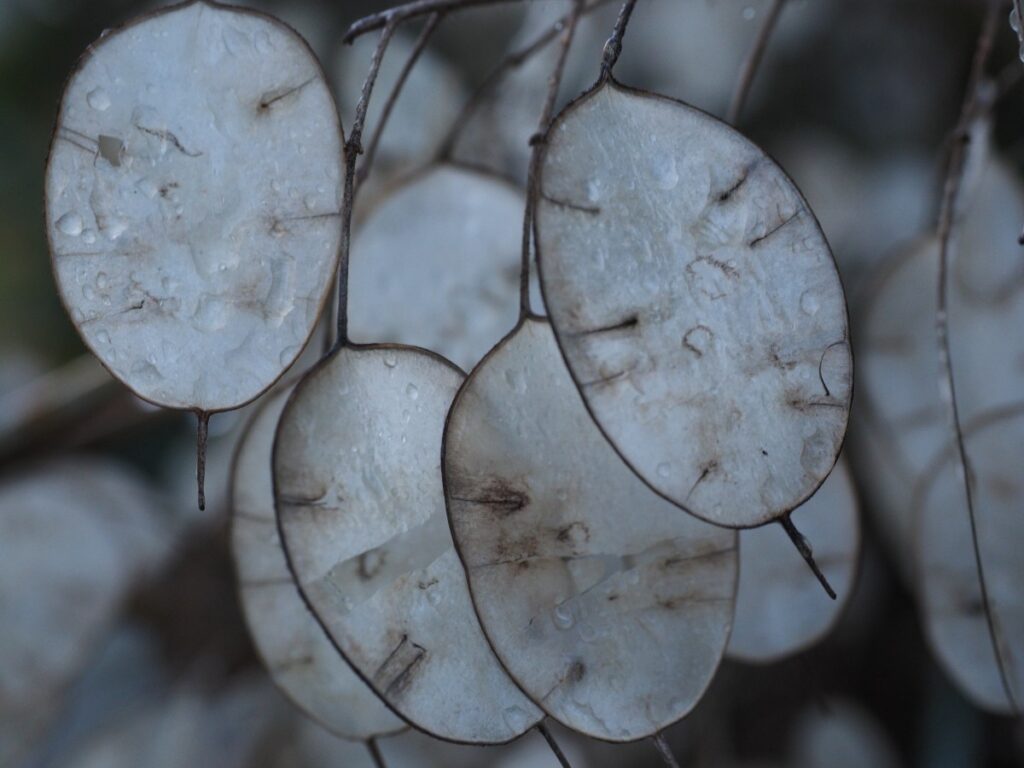
Bouquets of dried flowers Beautiful dried bouquets can be made with the cut flowers and stems. Not everything is suitable, but with a little imagination a lot is useful. The spent panicles of the yarrow (Achillea millefolium) dry excellently and then mix very well with the silvery shining annual honesty (Lunaria biennis) and the bright red calyces of the lantern plant (Physalis franchettii). The cute spikelets of plantain (Plantago) contrast very nicely with the dried yellow flower heads of common tansy (Tanacetum vulgare).

Annual honesty, photo: Bram Wolthoorn

Bouquets of dried flowers

Beautiful dried bouquets can be made with the faded flowers and stems of garden plants. Not everything is suitable, but with a little imagination a lot is useful. The spent panicles of the yarrow (Achillea millefolium) dry very well and then mix very well with the silver-shiny dollar plant (Lunaria biennis) and the bright red calyxes of Physalis (Physalis franchettii). The nice spikelets of the plantain (Plantago) contrast very nicely with the dried yellow flower heads of the tansy (Tanacetum vulgare).

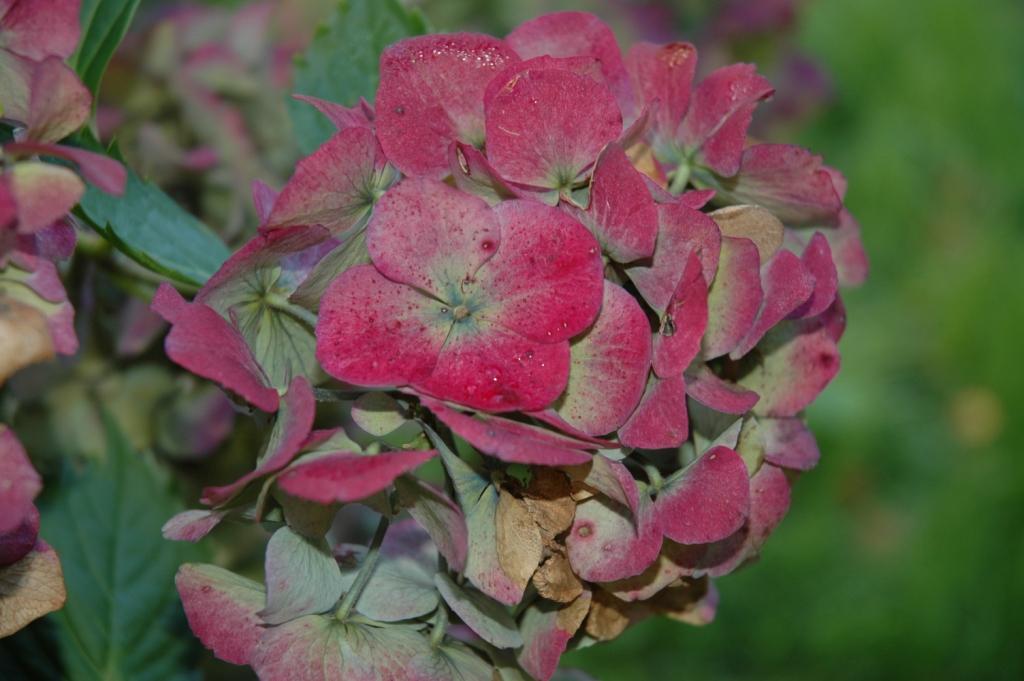
The large faded screens of the hortensia (Hydrangea macrophylla) lends itself perfectly to beautiful, very large bouquets. Especially the pink flowering variety gives a very nice result when dried: the individual flowers that make up the umbels take on all shades from a deep pink to a soft brown. A large number of flower heads together gives a beautiful effect. Of course, one hortensia in the own garden too few umbels; prove the neighbors (if of course they have a hortensia and want to be released from their umbels) a service: cut the spent flowers from the Hydrangea there too and add them to your own bouquet.

Hydrangea flowerhead, photo: PlantEnPlagen

Flowers that are specially grown for dried bouquets must be picked for good results when they are just not open yet. After all, spent flowers fall out sooner. Pick the material to be dried in dry weather; this prevents rotting during the drying process. Wrap the flowers in small amounts in paper and hang them upside down in a dark place that is not too warm to dry. After six weeks, the flowers are suitable for the vase – no water of course.

Watering..

With a watering can or irrigate...

During dry periods you have to water your garden. This can be done per plant with a watering can or by irrigating all plants at the same time through the garden.
With a watering can it is best to water the soil around the plants in one go. In fact so much that the watering also reaches the deeper plant roots. On light soils, the water will be absorbed quickly by the soil; this does not apply to heavy clay. The ground quickly closes and puddles form: the soil is impermeable.

To see to what extent the water has sunk into the soil when irrigated with a sprinkler, it is best to put a spa in the ground in a few places in the garden to see where the soil is moist. Use a rain gauge to measure how much has been irrigated and note the ratio between the number of mm irrigated and the number of mm of soil that has become moist. Also useful to know in case of rainfall.

Also when irrigating, it is better to irrigate extensively in one go instead of a little every day. Irrigating a modest amount every day closes the soil (clay!) and produces a higher evaporation compared to a weekly large amount. In addition, the deeper roots are not reached and a more superficial rooting is promoted, so that plants dry out sooner. Loosen the soil after watering; that prevents silting. In addition, loosened soil dries out less quickly.

During drought it is best not to irrigate the entire garden, but to give a large amount of water per plant, once a week. Germinating weeds between the plants do not get a chance to grow. Newly planted shrubs and summer crops naturally need less, but more often, water to prevent them from drying out.

Watering in the evening gives the plants the opportunity to absorb water during the night. However, the moist environment also makes snails active. Watering in the morning prevents this, but shortens the time that the plants can store a surplus of water. In the morning, the plants dry better after watering, which in turn limits the chance of fungi.

recognize ferruginous water
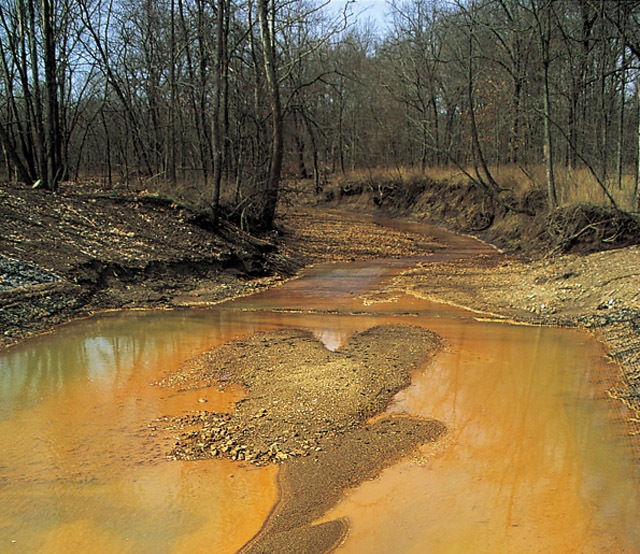
Stream with ferruginous water, photo: D. Hardesty - CC Public Domain

Groundwater from the coastal region can have a high salinity. Most plants in the vegetable garden are not salt tolerant.
Groundwater should not be used if it is highly ferrous. Ferrous groundwater oxidizes with oxygen from the air to iron oxide (Fe 3 O 4 ) – rust. Rust is not water soluble and is not absorbed by plants. Rust causes brownish discoloration of crops, pavement, furniture and building walls. Because plants do not absorb rust, it is not a problem for plants. Rust precipitated on leafy crops does not make the vegetables any tastier.
Ferrous groundwater can therefore be used for irrigation (watering), but is unsuitable for misting or spraying. The presence of iron can be determined by smelling or tasting fresh groundwater.

Weeds

Unwanted plant growth

Because that is ‘weed’: a plant that is in the wrong place. That says nothing about the properties or the usefulness of that plant. That ‘weed’ can be a sown lady’s mantle, a poppy, comfrey; all venerable plants, but the qualities of those plants are not desired in that place. In that sense, weeds are comparable to the English anthropologist Mary Douglas’ definition of ‘dirty’: ‘Dirt is matter out of place’: a hair in the soup is ‘matter out of place’. For example, weeds are ‘plants out of place’.

Weed control
Weeding is – no matter how tedious – the best way to get rid of unwanted plant growth. Weed when the soil is slightly damp; weeds in clay soil in particular can then be easily removed. Heavy soils dry up to a hard, impenetrable crust; plants with tap roots then break off instead of being pulled out of the ground. The wind scatters seeds of weeds; regular hoeing of germinating weeds prevents a lot of weeding. Weeds with taproots such as dandelion and milk thistle should be removed root and all. Hoeing does not help: dandelion and thistle sprout again from the cut root. Whoever mills the ground containing dandelions and thistles, chops the taproots of these weeds into countless pieces, which in turn produce countless dandelions and thistles. Leave the weeds in dry weather for a day, the weeds wither and can easily be raked together for the compost heap.

Anti-root cloth
Apply anti-root cloth approximately 5 centimeters below ground level to prevent weeds on tile and gravel paths. Anti-root cloth consists of woven black plastic and only allows water to pass through. It is light-tight and roots hardly get through. Almost not, because after some time, experience has shown that thistles still grow through the anti-root cloth and the gravel. Also useful, but very unsightly, is anti-root cloth under young shrub plantations, to keep the soil under the shrubs free of weeds. Even difficult weeds such as ground elder and Bermuda grass do not grow through anti-root cloth.

herkennen van onkruid, ongewenste planten
Onkruid tussen de sten

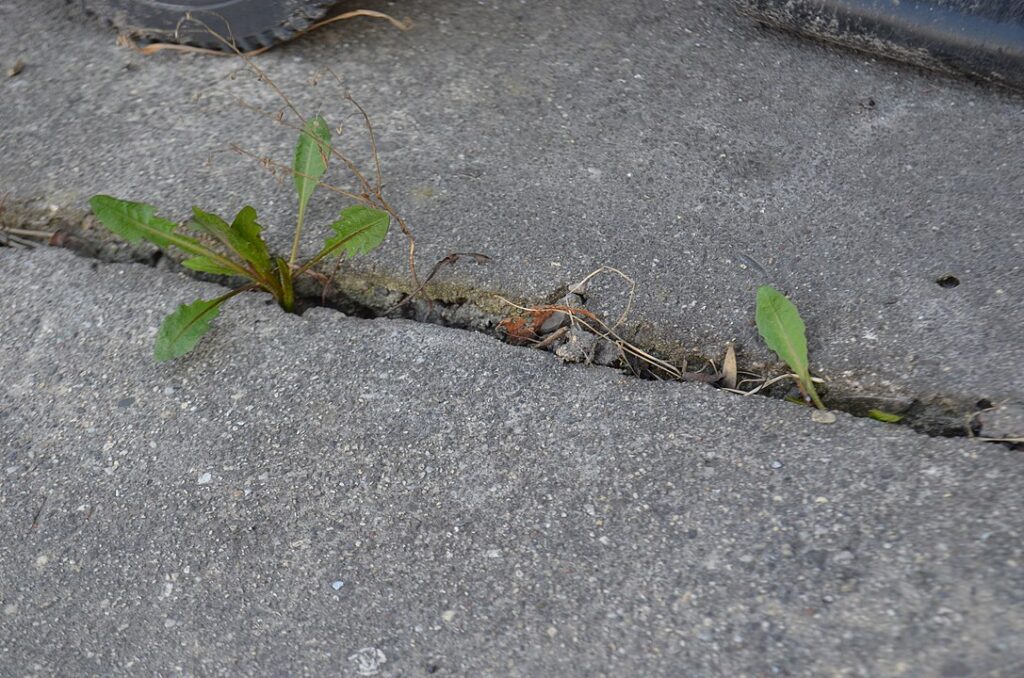
Weeds on paths and pavements can also be controlled with hot water. That pouring with hot water has to be repeated regularly and the weeds do not disappear completely, but it remains under control. The best time to water is late afternoon when the plants have the least water. The hot water heats up the above-ground plant parts, causes the plant to dry out and die if there is sufficient heat.

Moss, moss and more moss

Really, moss everywhere..

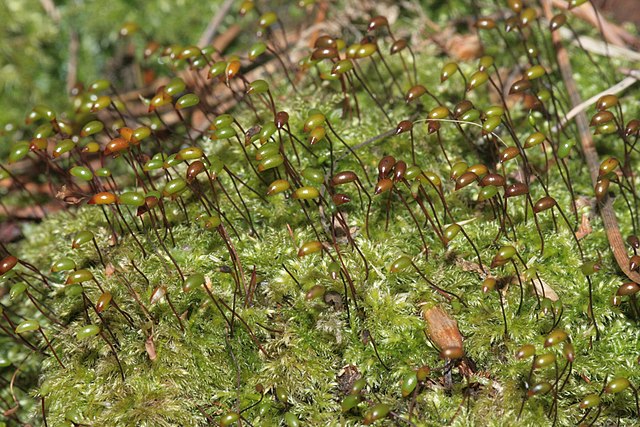
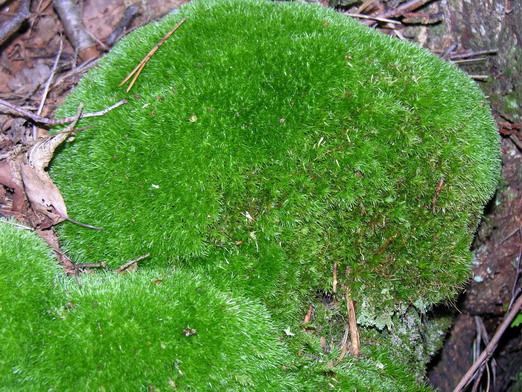
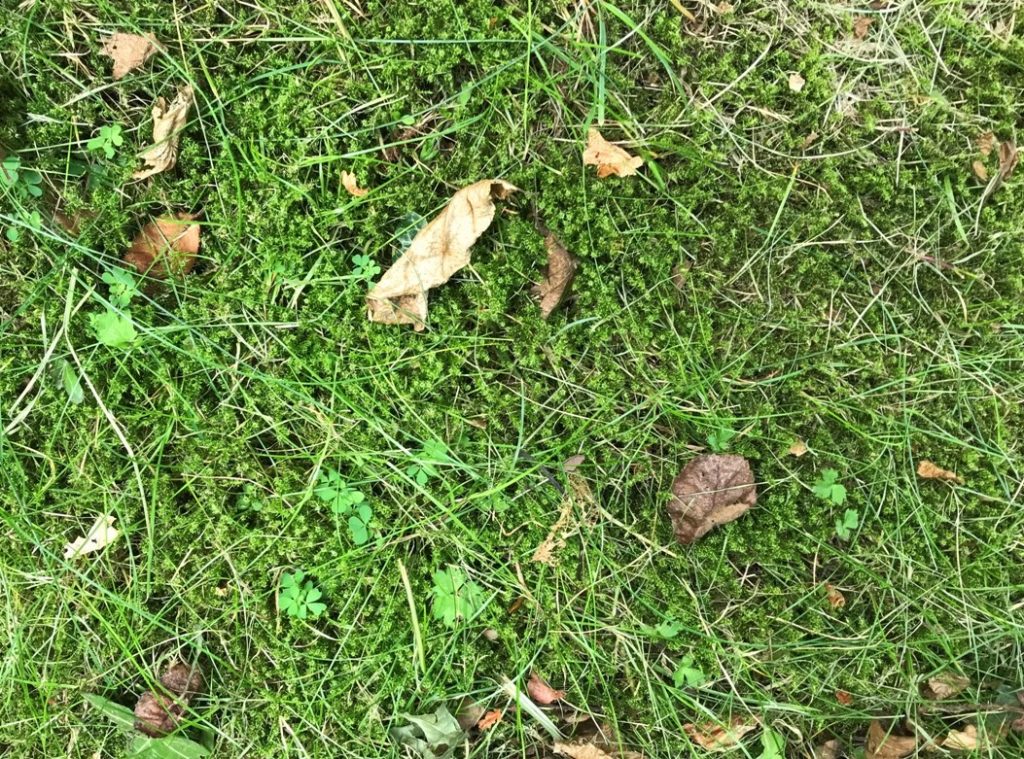
Between the tiles, in the grass, the fresh green cushions of moss can now be seen everywhere. The months of January, February and the very beginning of spring are the most important months of the year for mosses. Then it receives all the available light, which will be blocked by leafy shrubs for the rest of the year. There is also enough moisture to swell the fine cell structure of the mosses to burst.

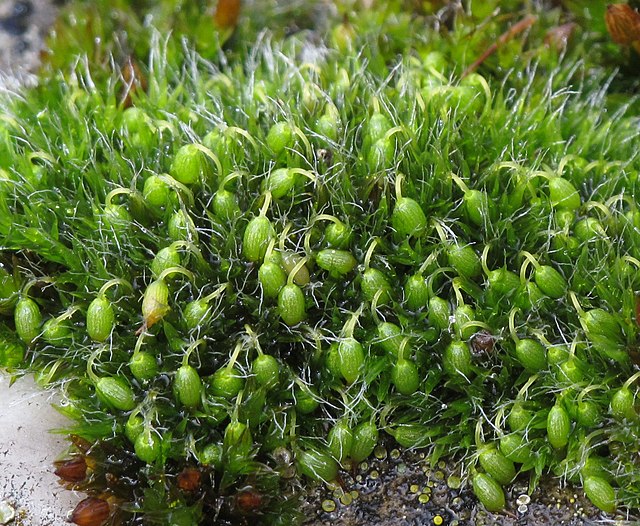
Mosses multiply by means of spores, which are formed in urn-shaped boxes. These spore capsules are covered by pointed caps, the hoods, which fall off as soon as the spores are ripe. Such a minuscule spore of moss settles for the very least: the most shady and insignificant spot in the garden. Moss is not welcome everywhere – for example in the lawn.

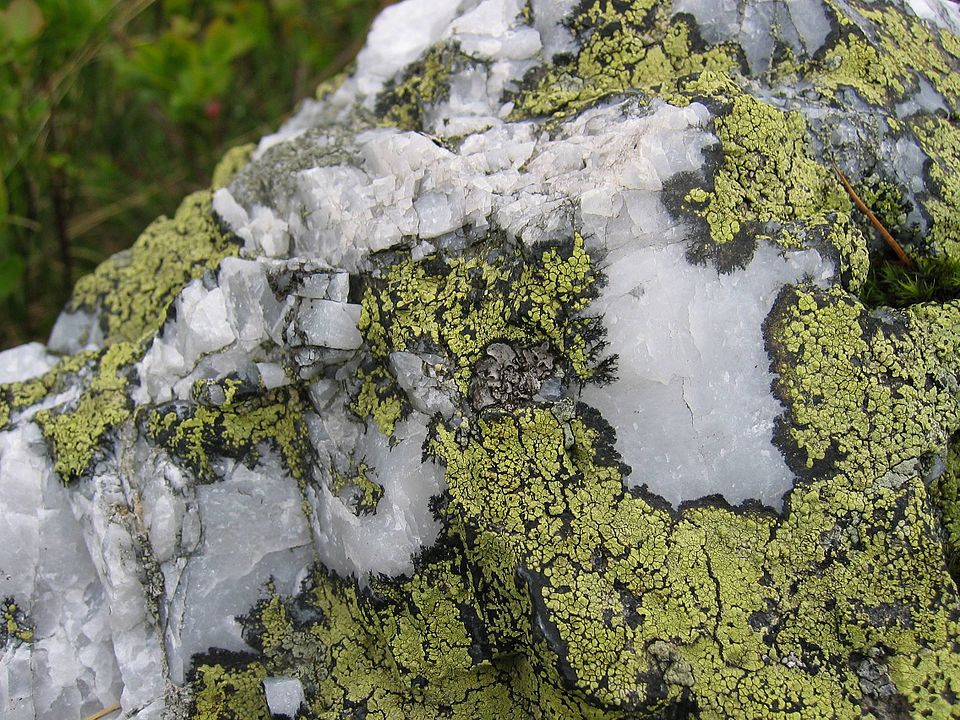
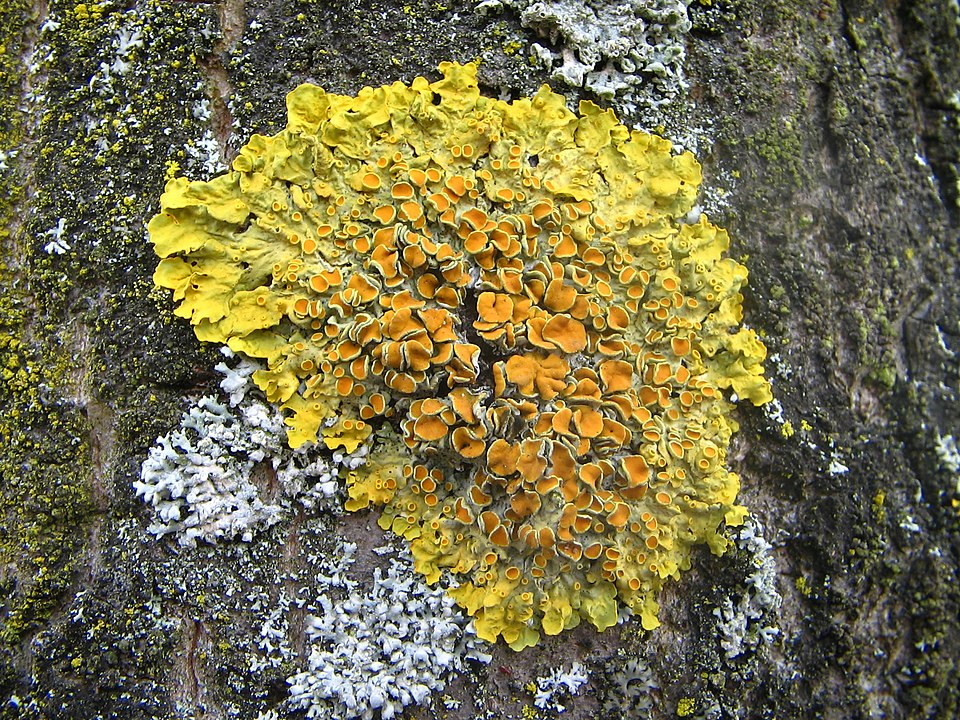
Actually moss is quite beautiful! In addition to the mosses that develop in the form of pillows, there are also the beautiful lichens. These colorful placards cover weathered walls. The Grey-cushioned grimmia with its green offshoots, nesting between the stones of the rock garden, is also present in early spring.

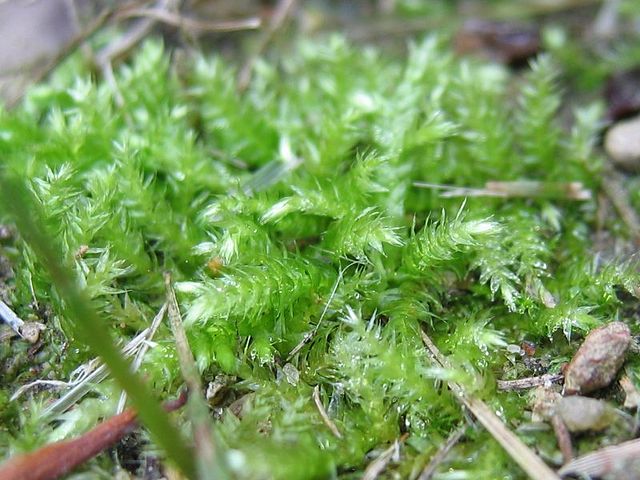
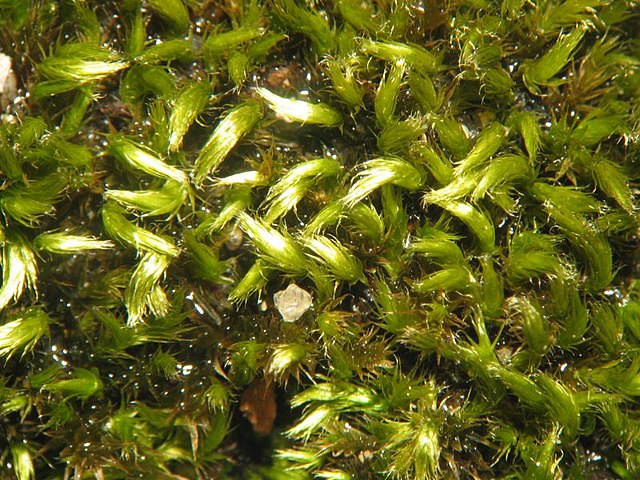
Give moss a place in the shade garden, because it is already there anyway. Find a decayed tree stump and tie to it, for example, Pin cushion moss, Silky-wall Feather moss and Rough-stalked Feather moss. Place the tree stump with the mosses in a shady spot under a large shrub. In the summer you can no longer see the mosses because its hidden under the shrubs. But as soon as the leaves fall in the fall, the moss emerges in its delicate splendor. With a bit of luck, some mushrooms will also grow among the mosses over the years.

herkennen mos in gazon
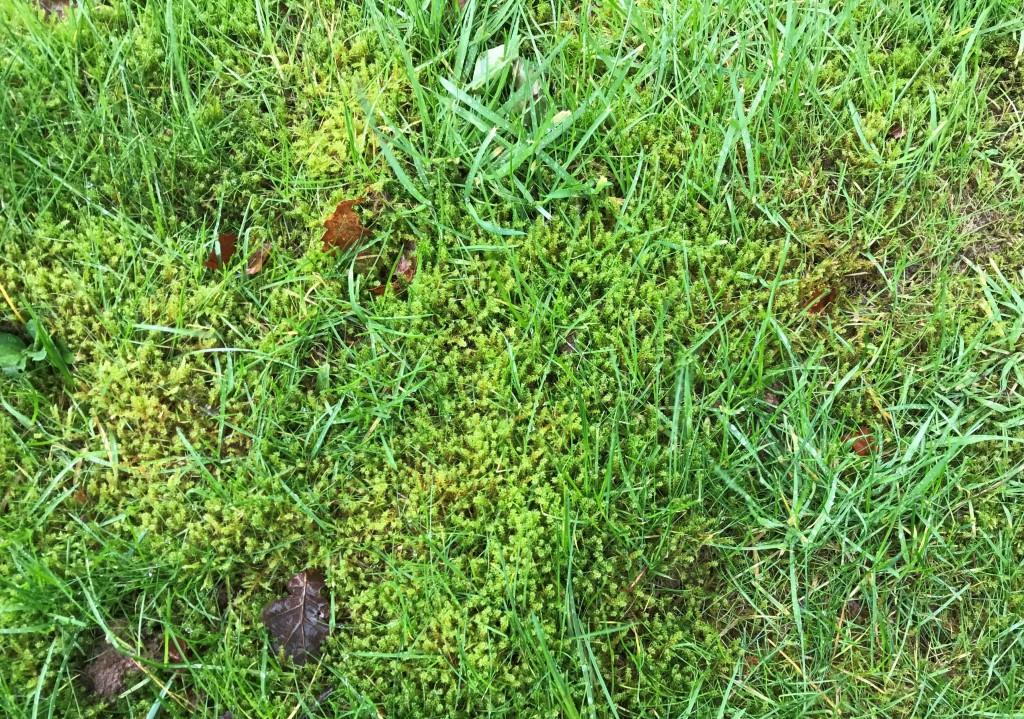
Lawn and moss, photo: PlantEnPlagen

The moss in the grass is a different story. It can best be combated by spreading lime; after all, moss likes an acidic environment. Preferably three times a year, a substantial dose of lime: at the beginning of the growth periods of the grass in March and August and at the beginning of winter when the heavy rain acidifies the soil. Dead moss is easy to rake away. Scarifying also removes the moss, but also a lot more – so don’t do it. See also: Scarify, better not.

Scarify, better not

The days are getting longer, the grass is starting to grow again and so is the moss in the lawn. The lawn looks lifeless after winter; fresh green tufts of moss are emerging. Dead blades of grass are hidden between the green. Some gardeners start talking about scarifying, about the ‘felting’ of the lawn. Between the grasses accumulate a thin layer of death grasses – the so-called felt layer.
What to do? Scarify? Or fertilize and maybe sprinkle some lime against moss?
Scarifying – machining the lawn, where moss and death grasses are cut away – seems effective. Once raked together, there is a large pile of moss and dead grass. The lawn has been freed from the moss, bare spots have arisen here and there and the layer of felt has been removed. With the moss and the felt layer, the humus – degradable dead organic material – has also been removed. The amount of humus determines the fertility of the soil. Every year humus disappears from the soil due to active soil life. Soil without organic matter is desert soil, nothing can grow there. Farmers replenish the humus content each growing season; if they don’t, that impoverishes the soil.
The soil life, that underground army of earthworms, sow bugs, fungi and bacteria, live on dead organic matter and process this while eating into nutrients that can be absorbed by plants. Scarifying deprives the soil life of its source of nutrition and the soil life deteriorates as a result. In the absence of worms, the soil hardens and the water permeability decreases. When it rains, puddles form on the lawn. After scarifying, fertilizing with an organic fertilizer (granules of cow and horse manure) is necessary. Reseeding the resulting bare spots is also necessary, otherwise the empty space will be taken up by pioneer plants such as ryegrass, bindweed, speedwell, clover and creeping buttercup.

Soil life
Let the soil life do its job instead of scarifying. Give the worms, sow bugs and centipedes food in the form of organic fertilizer and compost. The soil life springs up after the winter break, multiplies very quickly and breaks down the dead plant material, the felt layer. Earthworms scarify the lawn and prevent the soil from compacting, so that rainwater and air penetrate deep into the soil. the grass will take root more deeply and will then be more drought resistant. Is the soil on the sour side (< 6 pH , such as peat soil for example) which allows moss to form easily, then sprinkle lime granules in March and June. Rake away any large tufts of moss and sow bare spots.

Iron sulfate
Iron sulphate is sometimes used to kill moss: a fertilizer that also kills moss. However, iron sulphate is also deadly for soil life, so do not use it. Also because iron sulphate is unsafe stuff. It leaves rust stains on stones and floors and accidentally inhaling it is downright unhealthy. Keep pets (dogs and rabbits) away from ferrous sulfate treated lawns.

Moss formation is prevented by mowing not too short (< 4 cm), ensure good drainage and regularly sprinkle lime granules in the spring. Keeping the lawn slightly high will reduce the light of moss and slow down growth. In general, 5 cm is the best cutting height in the summer, which prevents burns and rapid dehydration during heat. In winter, grass can withstand snow and ice and then 6 cm is a good cutting height. A last mowing takes place in November, after which the grass grows after all, hardly any more.

Admittedly, such a natural lawn will look a little less tight than a fertilizer-sprinkled, scarified, super-green lawn. Fertilizer is the fast food among fertilizers: the grass ‘explodes’, but since fertilizer contains no organic matter, it does nothing for the soil; spreading fertilizer is short-term work. The soil is impoverished and an excess of fertilizer is leaked into the surface water. The result is a suffocating algae growth.
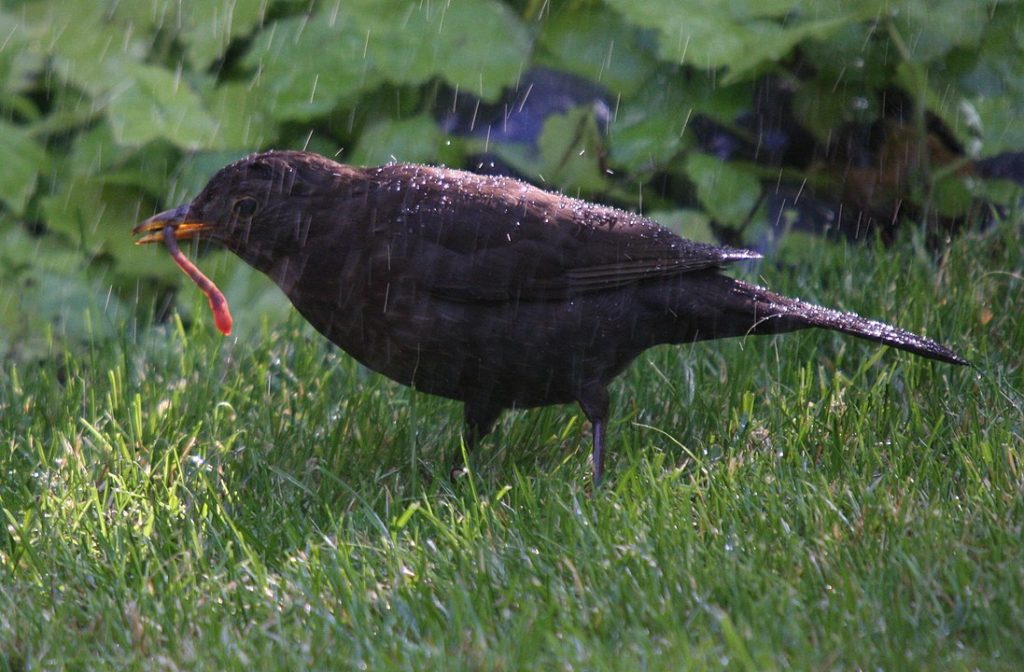
Blackbird with earthworm, photo: Look Sharp! - CC BY-SA 3.0

A healthy, living lawn
A non-scarified lawn has worm mounds and a thin layer of humus between the grass blades. In this layer live the worms, the sow buds and the centipedes. Blackbirds and thrushes come to look for earthworms on such a healthy, living lawn. Or a  visiting seagull that seems to dance. In reality, the gull kicks on the ground, creating vibrations so that worms and insects come to the surface (ha, rain!) after which they are picked up by the gull. This is how a seagull dances its meal together.

Starlings

Birds with human features

The starling is a bird that feels at home in the city in late autumn. Like humans, the starling is a group animal. He also has decidedly human traits: his demeanor is often described as cheerful and chatty. So a nice bird.
The starling is an omnivore, and because convenience serves the starling, it seeks the company of humans. Because where there are people, there is food and the starling likes it all. In the countryside with orchards still full of fallen fruit and fields with leftover wheat, the starling is abundant.
But it is also a good place for the starling in the city: the people there leave enough food in the open air for starlings to get their money’s worth. In addition to urban landscaping, city dwellers also produce a great deal of – edible – waste. Together with the gull, the starling scours the garbage dumps en masse in search of edible items and thus benefits from human activities. The starling is therefore very prosperous and it is probably the most numerous bird in the world: it is estimated that more than a hundred million starlings fly around the world.
The group feeling of the starling is complicated. In the breeding season in spring it is lacking and the birds have enough on their own. They migrate into the province and nest in the countryside. Densely wooded areas and very open terrain are avoided, they build their untidy nests in trees and on buildings. Towards autumn, the group feeling rears its head and they seek each other out. They gather at a comfortable distance from their permanent home in the city and leave for humans in large groups.

When the first winter cold sets in, usually in the first week of December, most of the starlings leave. Heading south. Not all of them go, some hibernate in the urban environment. Sometimes the urban starlings are still visited by relatives from the far North, because when thick layers of snow have made food inaccessible there, these starlings sink to the south. We see these temporary guests scurrying around with their Dutch relatives.

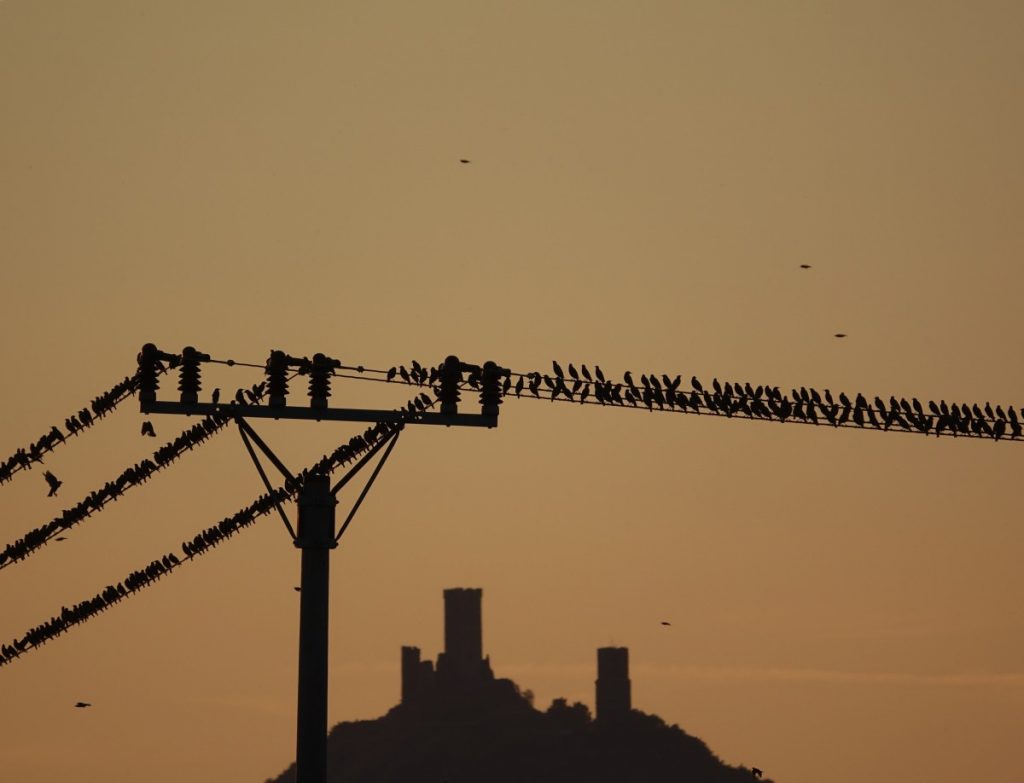
Group of starlings, photo: CC0 Public Domain

Huge swarms stand out against the clear autumn sky. Food is also eaten at such a collecting site. A hundred thousand starlings dive into the meadows and eat everything that can be digested by a starling stomach.
Satisfied, they then all head for the city. To an environment with tall trees where they find a place to sleep under a lot of chatter.
Starling visits do not go unnoticed; at night the food is digested and in the morning before they return to the countryside in groups, they defecate extensively.

The grass in winter

Driving rain, hail showers and strong wind ravage the lawn

At night and early morning a chilly frost descends on the grace down. Moles leave a wild trail of mounds in their fierce hunt for worms. The GThe variety takes a beating in the winter, drenched in rain and sluggish because the growth is gone.

Careful when walking
The lawn, which is so strong in the summer, is vulnerable in the winter months. It is especially important if it has frozen on the ground at night and the blades of grass are still beautifully white.race to run. The otherwise flexible blades break like glass splinters under the heavy sole of the foot and then die brown. It won’t be until springonly then will they recover.

prevent moss
it gosun acidifies over time, partly due to our slightly acidified rain. If the growth of the gWhen the variety comes to a standstill during the winter months, the moss, which thrives in a slightly acidic environment, takes the opportunity to spread.
Rake the moss away. Sprinkle at the beginning of March, when it is possiblevariety gently begins to grow again, lime on the grace. This increases the acidity and makes it gasun moss-unfriendly. Fertilizing the gvariety is best at the beginning of April, when growth is completely back in the grace. That is also the time to remove any bald spots in the room to sow in the sun.

Moss growth in the lawn, is unfortunately not the only thing that stands a flawless lawn in the way. Moles , mildew , mushrooms , leatherettes can cause a lot of damage. More about diseases and pests in lawn can be found here .

Tomatoes

Tomatoes don't like rain

A shelter helps against the rain, because tomatoes, just like potatoes, are very sensitive to the pseudo fungus Phytophtorah .
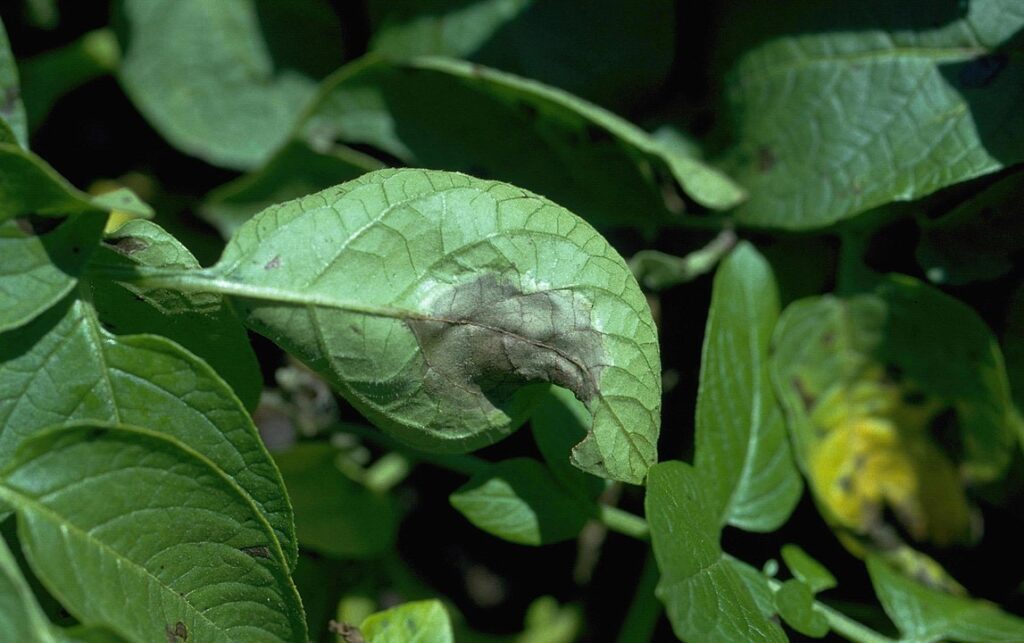
As soon as brown spots appear on leaves and stems, the tomato hasdisease (Phytophthora) has emerged. This water fungus causes the characteristic black spots on the leaves of potatoes and tomatoes. They are fungal-like microorganisms.Late blight hibernates on remaining plant remains and in the soil. Contamination is caused by insects, spores carried by wind and rain and in splashing water. During periods of summer, hot and humid weather, Phytophthora can do great damage in a short period of time.
To prevent disease, tomatoes are aerated. In professional fruit cultivation, it is monitored how long the leaves remain wet (wet leaf period) and what the temperature is. The combination of both is partly responsible for the development of Phytophthora. Well-drained soil helps prevent Phytophthora: Moisture encourages germination of spores.

recognize late blight in patatoes
A potato leaflet showing late blight infection caused by Phytophthora infestans, photo: Howard F. Schwartz - CC BY 3.0

Phytophthora is not limited to potatoes and tomatoes only. Roses, for example, can suffer from root rot caused by phytophthora is caused. Silver firs, such as the Nordmann fir, can also be affected by phytophthora get root rot, causing the spruce to dry out and die.

Earthworms

Ditchers par excellence

Smooth, long and thin is the earthworm and it prefers to live in the first eight inches of soil under our lawn. There the earthworm is spared by the digging gardener and is protected by the same gardener against its greatest enemy, the mole. The most common type of earthworm in our garden is the Lumbricus terrestris. An adult specimen measures thirty centimeters and has more than one hundred and fifty rings. The color of a healthy worm is pink to reddish brown. The front is round and that’s where the mouth is; the back is flat. A third of the length from the head is a band that is important for the reproduction of the worm.

Earthworms can live up to ten years and you wouldn’t expect that. A lost head or tail piece can regrow. The earthworm absorbs oxygen directly through the skin; he has no lungs. A worm has no eyes either, but the worm’s body is sensitive to light. Light means danger to the worm: the hot sun dries it out and, moreover, when it is so horribly visible, it is an easy prey for many enemies.

Earthworms reproduce by laying eggs. It takes five months for a young worm to hatch from the egg and then the worm needs another year and a half to mature.

Every garden has earthworms; per hundred square meters of garden there are about three thousand rooting in it. They eat their way through the earth, which is mixed with the remains of half-decayed plants and animals. In this way, this army of earthworms creates numerous tunnels that ensure a healthy water and air balance in the top root layer of the soil. The soil consumed by the worm, in which all the organic material has been digested by the intestinal action of the worm, is deposited on the surface in the form of mounds of earth – worm casts. Other types of earthworms fill the higher tunnels with the processed soil. This produces excellent soil, rich in plant nutrients and minerals from the deeper layers.

The worm army is able to completely replace the top two inches of garden soil with ‘worm’-processed soil within a few years. Stones that were once on the surface have therefore sunk five centimeters below the surface.

Earthworm, foto: James Lindsey - CC BY-SA 3.0

The Gardener and the Earthworm
Frequent digging between the plants and ruthlessly keeping the garden surface ‘clean’ do not provide ideal living conditions for the earthworm. Digging destroys the worm-friendly structure of the soil and makes it look for a less turbulent environment. Bare earth of the kind on which no fallen leaves lie and no weeds thrive, offers the earthworm no protection against the ever worm-hungry birds, hedgehogs, shrews and moles. The latter in particular is a major consumer: an adult mole can consume up to fifty earthworms per day. Moles even build special storage rooms in which they store earthworms.
The presence of a compost bin is a big step towards a healthy worm population. The worms multiply quickly in such a hotbed full of organic waste, so that they can also carry out their good works elsewhere in the garden.

See also: Earthworm